Follicular Unit Extraction – FUE

For the past several years, the trusted donor source for hair transplant has been confined to a linear strip at the mid-rear scalp. This donor area falls within the safe donor area (SDA), also known as the “safe zone.” When follicular unit extraction (FUE) came along, things started to change. Surgeons could use this advanced [...]

Read more >>

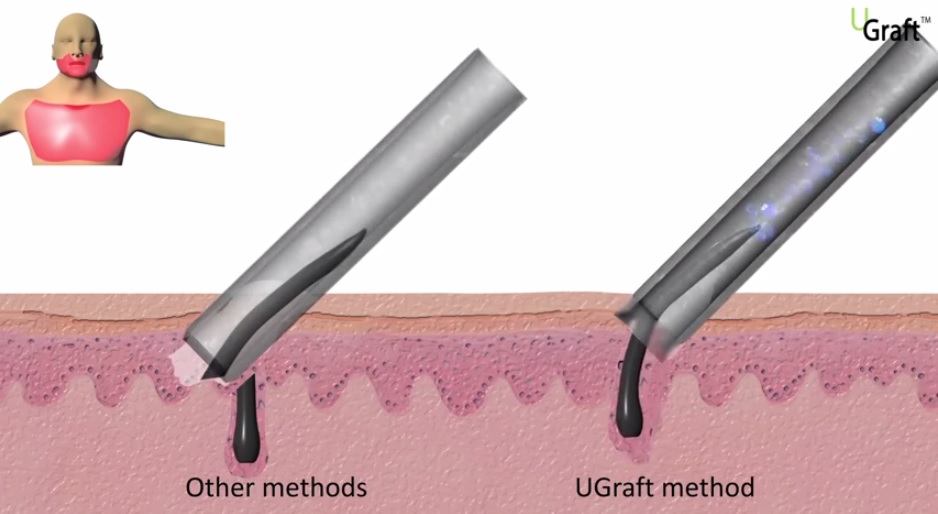
Follicular unit extraction (FUE) is a method of hair transplantation that was first invented in the 1980’s and blossomed into global use in the 1990’s. With this sophisticated technique, surgeons harvest hair by grafting follicular units one by one from the donor pool. This means: A minimally invasive surgery Donor hair is not confined to [...]

Read more >>

The Origin Of Follicular Unit Extraction In the early 1900s hair loss became a prominent enough problem for someone to develop a technology to combat the condition. The dawn of hair restoration developed in Japan during this time, and has continued to evolve ever since. We have seen scalp reduction, flap surgery, and in the [...]

Read more >>

As part of their article exploring hair transplant technologies, American Health & Beauty conducted a short video interview with Dr. Umar discussing the basics of hair restoration through Follicular Unit Extraction. Enjoy!

Read more >>

For men and women suffering from hair loss, the physical toll of its impact is as devastating as its emotional impact. The traditional strip method of hair transplantation while restoring some hair, would create a linear scar which can be a problem in confidence recovery. A Follicular Unit Extraction – FUE based procedures is a [...]

Read more >>

Hair transplantation technology has evolved over the years, with new approaches and tools coming into the profession. But it is important to do the research about shiny new gadgets before jumping onto the bandwagon. You’ve probably heard about a relatively new hair restoration method called Follicular Unit Extraction – FUE for short. It’s an innovative [...]

Read more >>

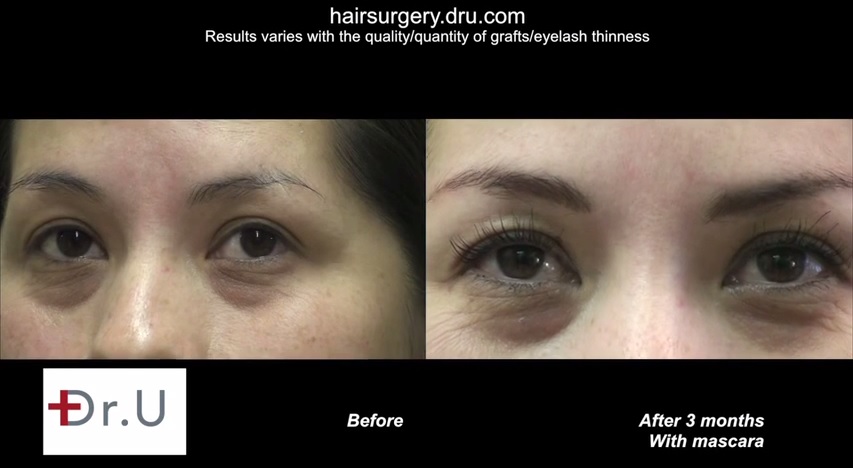
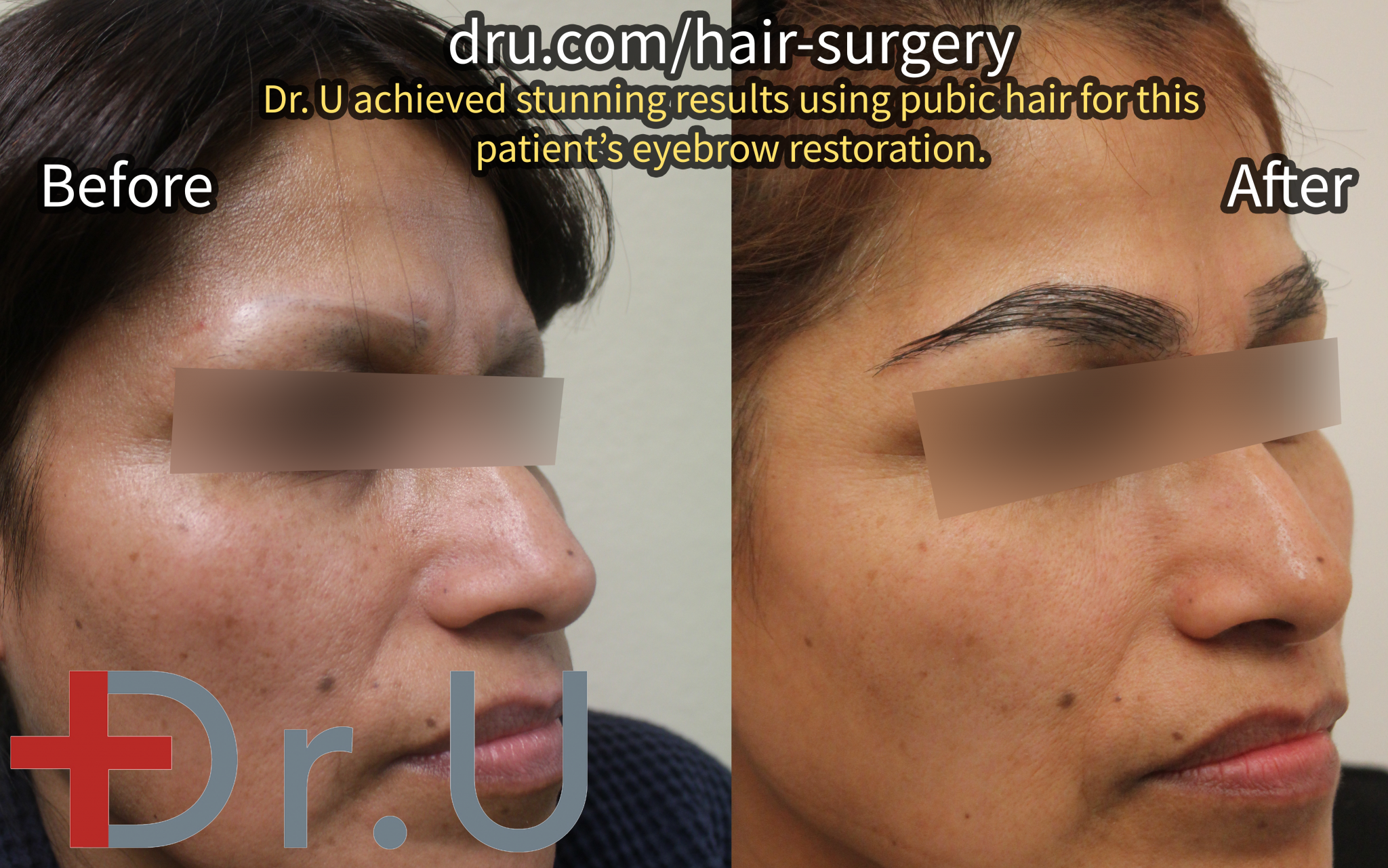
Eyebrow restoration used to be limited to helping burn victims, but time and advances in technology has seen it evolve into a cosmetic option popular with both men and women looking to reshape and rejuvenate their eyebrows. Your eyebrow hairs grow from the follicle at a sharp angle, so unlike the hairs on your head, [...]

Read more >>

Strip surgery is one of the most ineffective ways to restore hair loss. It involves strip mining hair from the sides and the back of the head for transplant to the problem area, but it leaves scarring and lasting pain in its wake. Too, it often leaves you in need of more surgery when the [...]

Read more >>

Several studies on hair loss have shown that the general time between initially noticing hair loss and seeking treatment is about six years. This is definitely more understandable because of the fact that hair loss is on average a gradual process. There is almost always that sad denial stage,and then the phase that patients hope [...]

Read more >>

Hair Loss Studies

February 9, 2011

Many studies done on hair loss show that the general time between initially noticing losing hair and seeking treatment for hair restoration is about six years. This makes perfect sense considering that most hair loss happens gradually over time. An initial stage of sadness and denial is normal, followed by the hope that the hair [...]

Read more >>

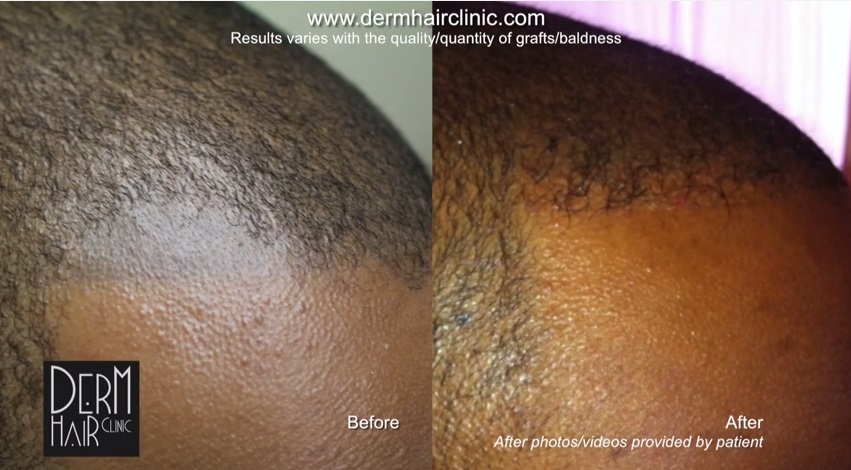
Yes! Using Follicular Unit Extraction (FUE), a minimally invasive procedure that does away with outdated approaches to hair transplant by providing a true solution instead of an illusion of restored hair. No scalpels, strip mining or stitches are used in this approach, which leaves the patient free of scars and on the path back to [...]

Read more >>

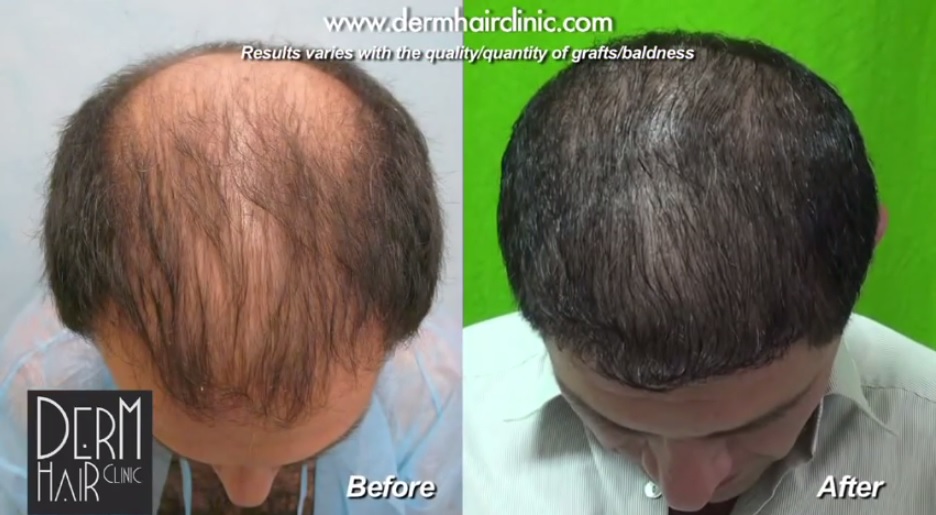
A harsh hairline is common with the older strip method of hair transplantation because it uses hair from the middle and back of your head, which is thickest. This patient has had a good quality hair transplant from a top clinic specializing in the older strip method, but wanted a softer hairline. Dr. Umar used [...]

Read more >>

Advantages of FUE

December 14, 2010

One major advantage of the follicular unit extraction (FUE) technique of hair transplantation remains that no linear strip scar is left on the back of the patient’s head. Anyone familiar with the traditional “strip harvesting” method of hair restoration knows how devastating a strip scar can be. A strip scar may cause humiliation, which affects your [...]

Read more >>

We lose hair all the time through everyday, necessary activities such as washing, combing and brushing our hair. Most people have about 100,000 hair follicles, with different levels of density depending on your background. It is normal to lose hair at a rate of about 100 strands a day. If you notice anything more than [...]

Read more >>

Black Women and Alopecia

November 10, 2010

Alopecia is a form of baldness that can affect all people, but some forms uniquely impact black women. Traction Alopecia is caused by continual pulling of the hair from tight braids, ponytails, and weaves. Over the years, bald spots can form along your hairline and above your ears, and your hairline will steadily recede. If [...]

Read more >>

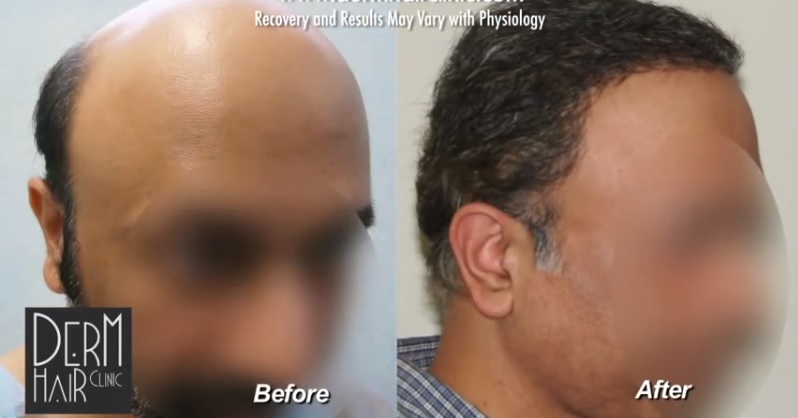
This patient came to Dr. Umar in hopes of finding a solution to a failed hair transplant done at another clinic. Using hair from the man’s body and beard and using the Follicular Unit Extraction method of transplantation, Dr. Umar was able to provide a very satisfying result. Curious about options to fix a previous [...]

Read more >>

Should I Choose FUE? Follicular unit extraction, or FUE, is an advanced method of hair transplantation. It has risen to the top amongst competing techniques—such as strip surgery—due in large part to satisfactory outcomes. More specifically, the reasons FUE trumps other types of hair transplantation are: FUE hair transplant leaves no linear scar The microsurgical [...]

Read more >>

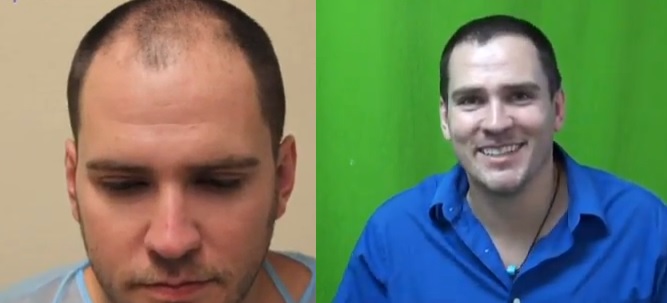
This video follows the emotional journey of a hair transplant repair patient; what he underwent during his research for a better hair transplantation. The travail of a hair loss victim is something that is seldom addressed by the providers of hair transplantation and by those who are close to the patient. Emotional turmoil is definitely [...]

Read more >>