
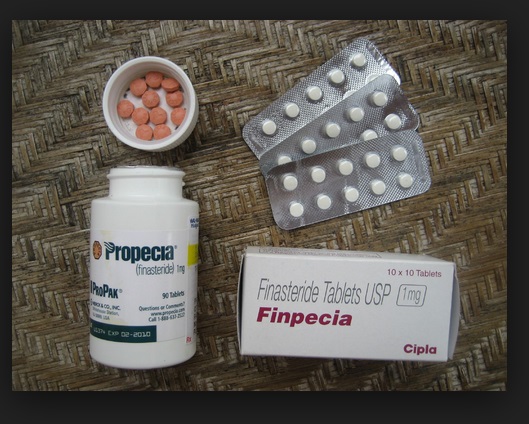
Propecia, a finasteride pharmecuetical, is a common treatment used in the battle against pattern baldness. It works by stopping the conversion of testosterone into DHT, thus preventing DHT from binding to the hair follicles’ receptor sites. Theoretically, this should put hair loss to an end. But not everyone suffering with pattern baldness can benefit from using Propecia.
Propecia
Find out if you can—along with some other interesting facts—by reviewing this simple list:
- Propecia is one of only two drugs approved by the FDA for use against androgenic alopecia (pattern baldness); the other being Rogaine
- It is contraindicated in women and children
- Propecia is shown to be ineffective on people whose hair loss has progressed to an advanced stage
- It must be used indefinitely in order to reverse, and deter, hair loss
- Propecia is available by prescription only
- It is shown to affect only the vertex (crown) of the scalp, not the hairline or temple points
- Finasteride is also used for the treatment of benign prostatic hypertrophy (prostate gland enlargement).
- Side effects of Propecia can include: erectile dysfunction, decreased libido, testicular pain, increased breast size, itching, hives/rash, swelling in the face and/or lips

Propecia (Finasteride) is an FDA hair restoration drug that is only available by prescription - Propecia Prescription.
If you decide Propecia is not for you and would like to inquire about a permanent solution to hair loss, contact Dr U Hair and Skin Clinic for a free consultation.
Propecia Simple Facts : SIDE EFFECTS
Merck, the drug company that makes Propecia, has come under recent scrutiny and has had to deal with a number of lawsuits. Though there are no conclusive studies to prove a causal link between Propecia and any of the following, there have been enough complaints to raise public awareness. Before taking Propecia, you should know…
- Hundreds of men have reported erectile dysfunction, low libido, and impotence. Even after ceasing use of the drug, some have reported that these problems persisted.
- There have been reports of gynecomestica, or the development of male breasts.
- Propecia may increase incidences of male breast cancer and prostate cancer.
- Propecia may increase incidences of depression.
Related Reading
Is it ok to stop using Rogaine and Propecia after FUE hair Restoration surgery?
Q. What is the timeline for Propecia action?
Can hair loss be treated with avodart: Is It Better Than Propecia At Addressing Hair Loss